 থangka
 শক্তি স্ফটিক
থাংকার আরোগ্যকর গুণাবলী, থাংকা শিল্প, আধ্যাত্মিক পথপ্রদর্শক
লুকানো ব্রাশের রেখা: হিমালয় থangka শিল্পীদের ৪০০ বছরের ঐতিহ্য
জানু.
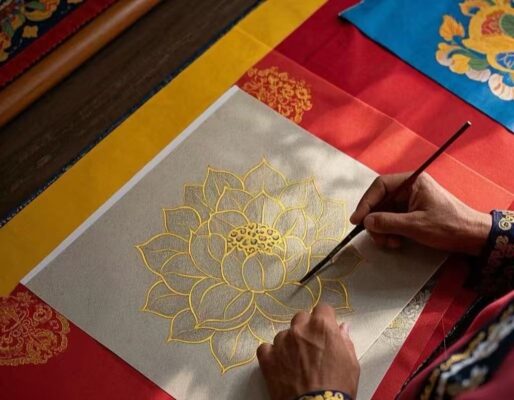
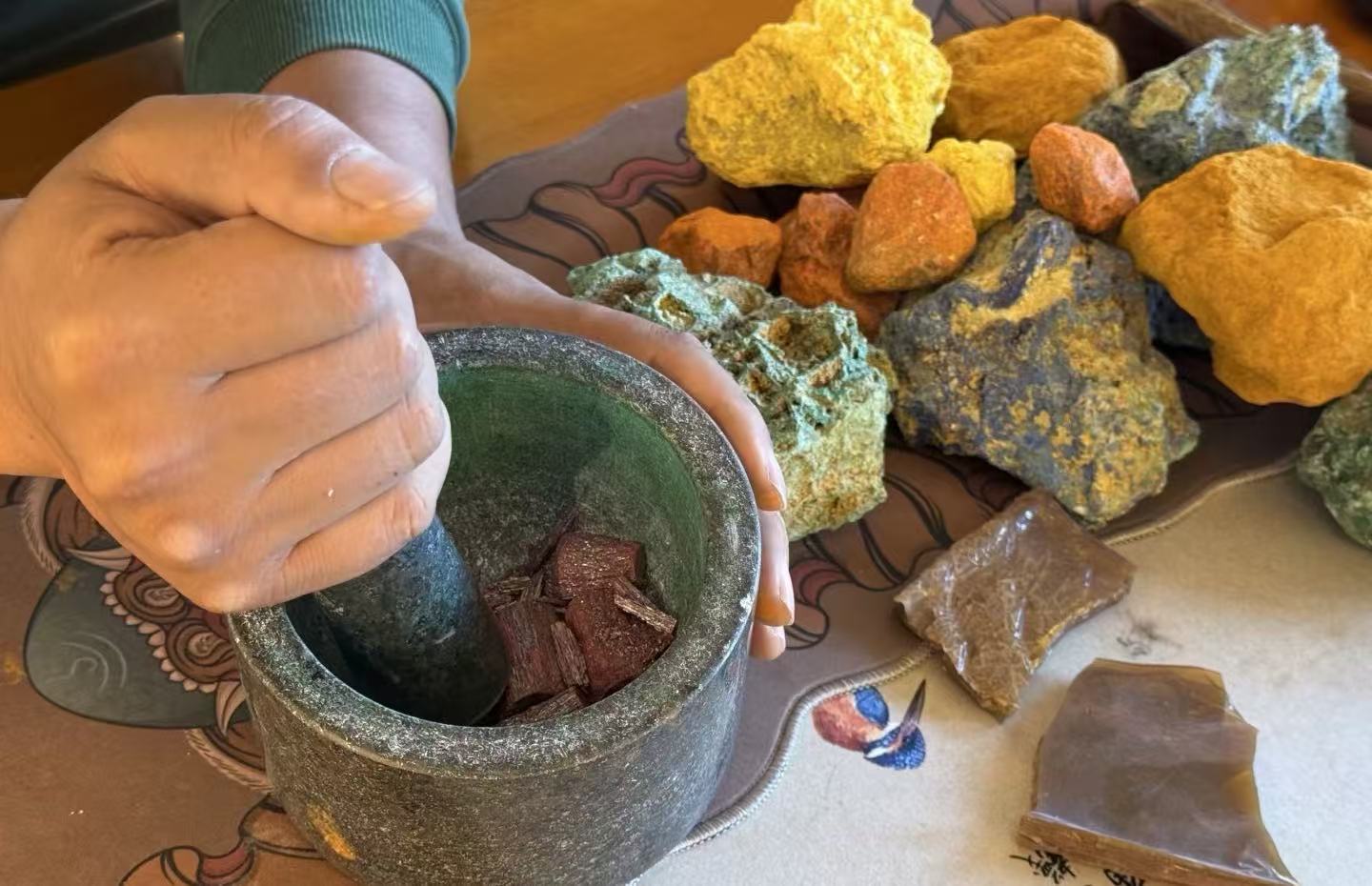
Hidden Brushstrokes: The 300-Year Legacy of Himalayan Thangka Artisans
Last month, I sat for three days in a small, sunlit workshop in Kathmandu’s Boudhanath district watching Master Karma paint a Green Tara Thangka. At 68, he’s the 7th generation in his family to practice this sacred art, and every morning before he picks up his squirrel-hair brush, he lights a butter lamp and chants for 45 minutes to clear his mind.
He doesn’t use store-bought watercolors—instead, he grinds malachite for that vivid green, lapis lazuli for the deep blues of Tara’s robes, and even crushed gold leaf mixed with yak hide glue for the glowing halos around her hands. When I asked him about the tiny, almost invisible red dots at the corners of the painting, he smiled and said they’re his signature, placed there to seal in the blessing of protection for whoever will eventually wear or display this piece.
This isn’t just decorative art; it’s a moving prayer. Master Karma told me he once spent six months painting a single White Tara Thangka for a family whose daughter was ill, and they later wrote to say she’d made a full recovery. Whether you believe in that kind of sacred energy or not, there’s no denying the intention in every brushstroke—this is work that’s meant to heal, not just to impress.
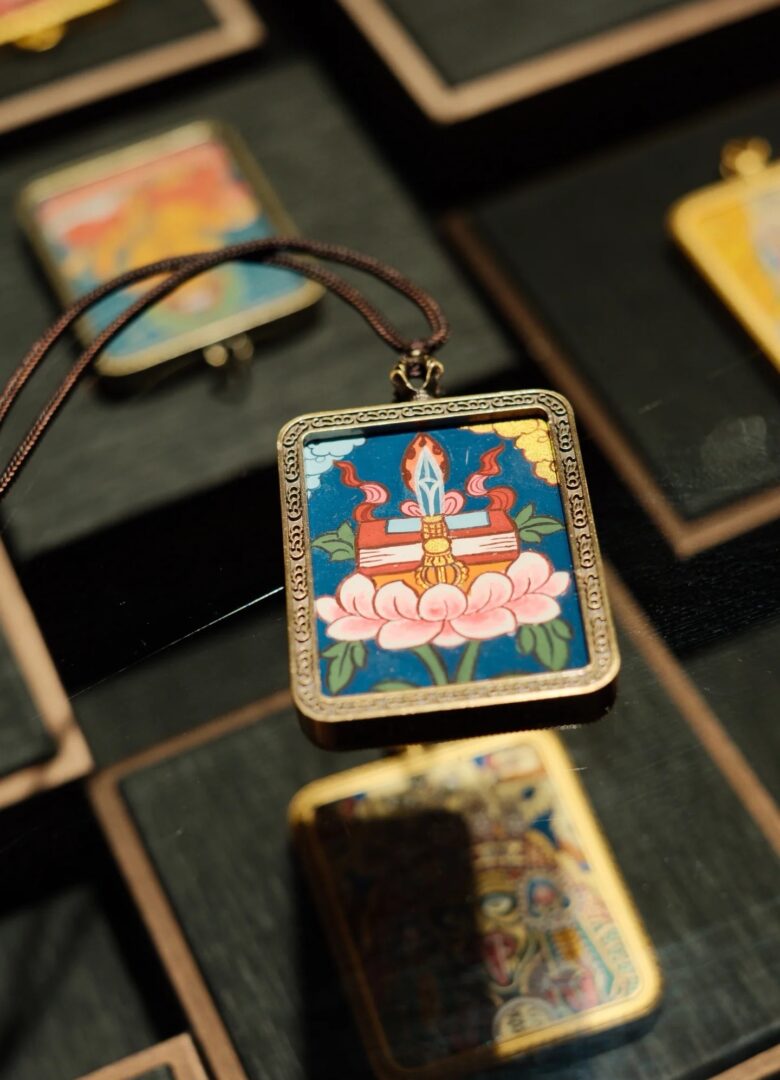
We brought three of Master Karma’s small pendant-sized Thangkas back with us, each one depicting a different deity for peace, abundance, and clarity. Like all our pieces, they come with a handwritten certificate of authenticity signed by him, and we’ve already had requests from collectors in Los Angeles and Dubai who’ve been following his work for years.
Owning one of these isn’t just about owning a piece of Himalayan culture—it’s about carrying a piece of that quiet, focused energy with you, a reminder to slow down and find your center in a world that never stops moving.

 English (New Zealand)
  English (United States)
  English (UK)
  Bengali
  Bashkir
  Estonian
  Chinese