 থangka
 শক্তি স্ফটিক
থাংকা শিল্প, আধ্যাত্মিক পথপ্রদর্শক
থাংকার পবিত্র শিল্প: তিব্বতীয় ভিক্ষুরা কীভাবে এই আশীর্বাদপূর্ণ আধ্যাত্মিক মহাকাব্যগুলো চিত্রায়িত করেন
19
ফেব্রুয়ারি.
ফেব্রুয়ারি.
আমাদের ক্রিস্টাল ও থাংকা সংগ্রহ অন্বেষণ করুন
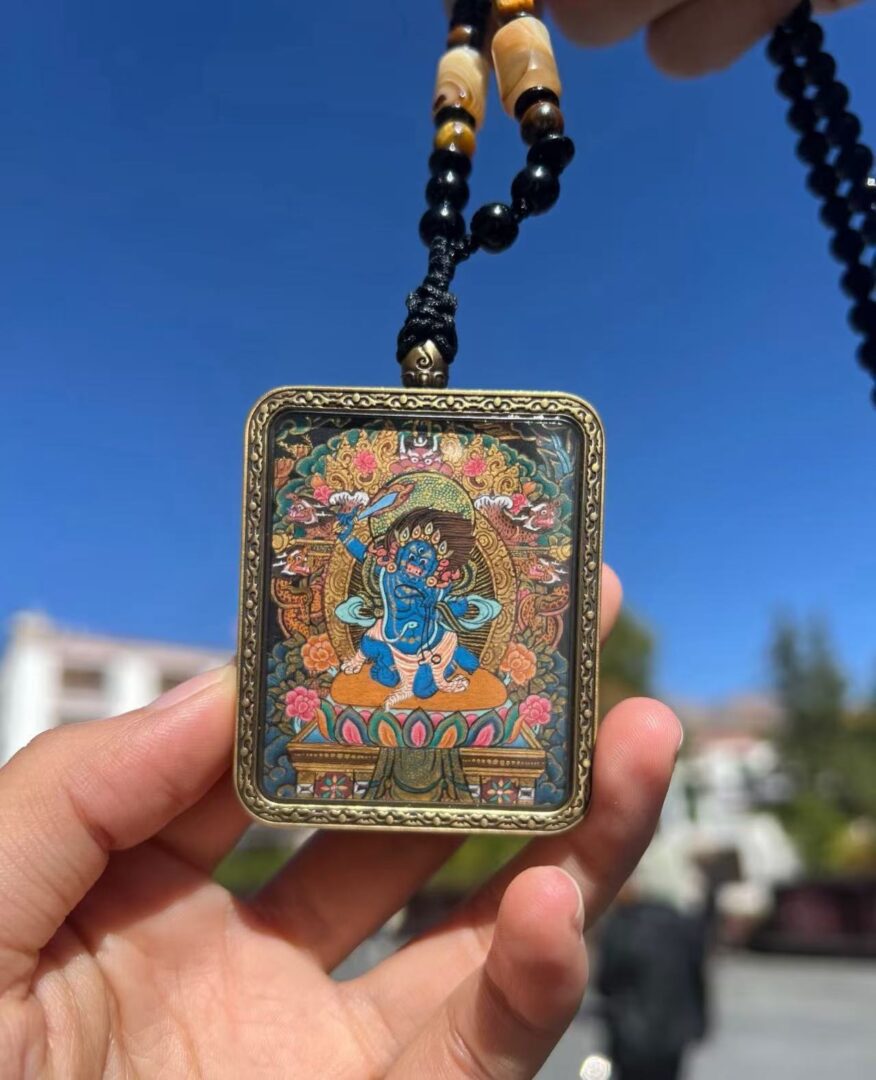
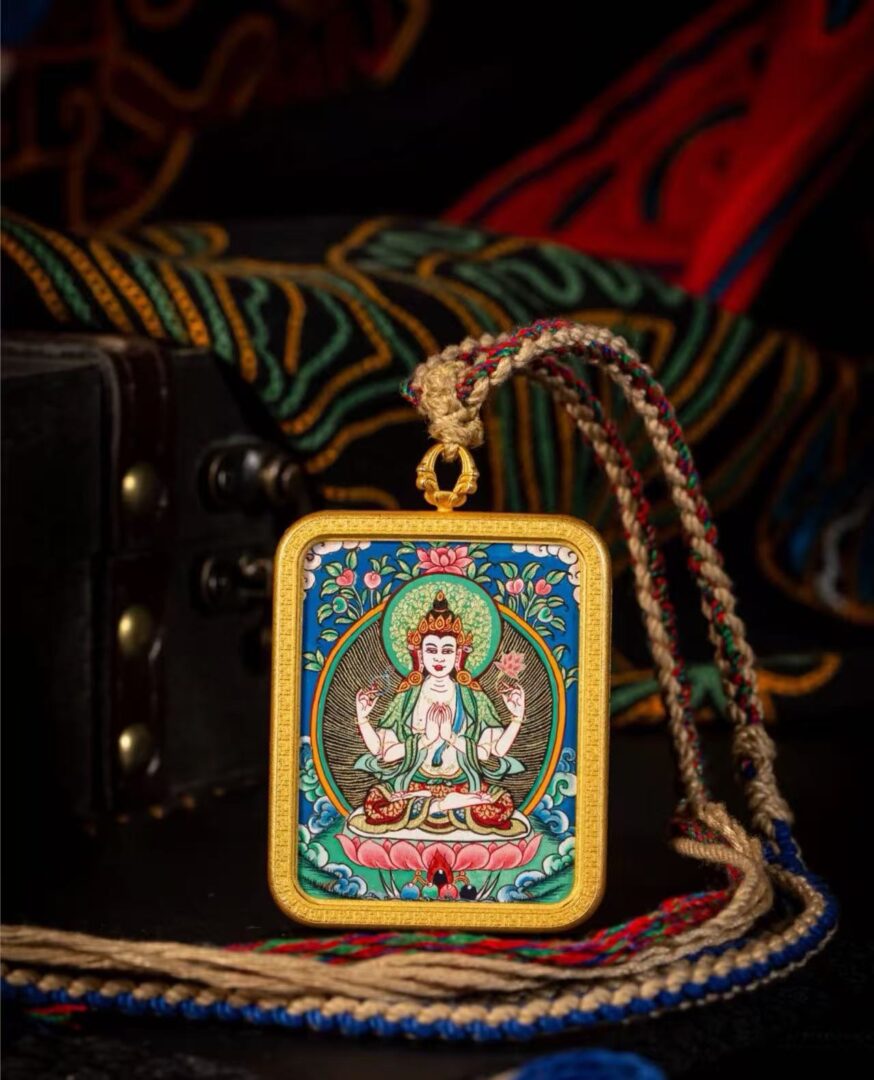
Discover the sacred ritual and devotion behind monk-painted Tibetan thangkas. Learn how Buddhist monks create these blessed artworks as a spiritual practice, and why a hand-painted thangka holds such powerful energy.
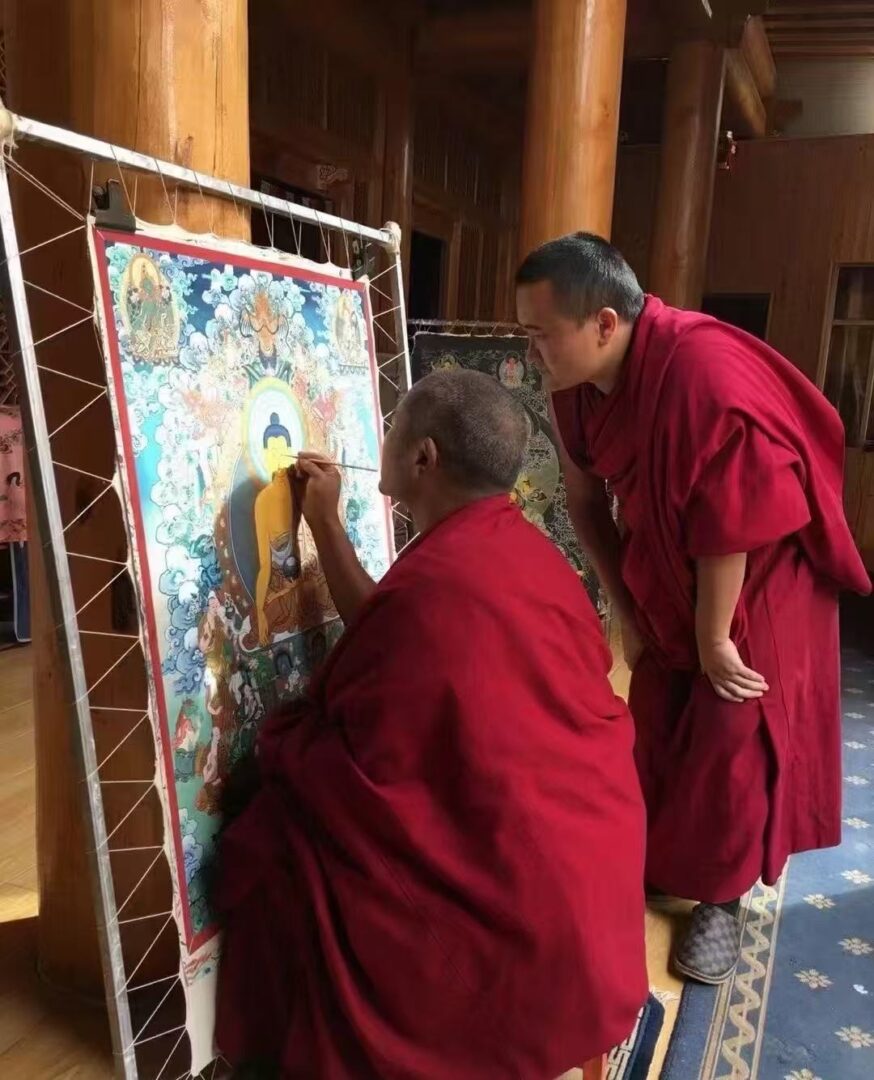
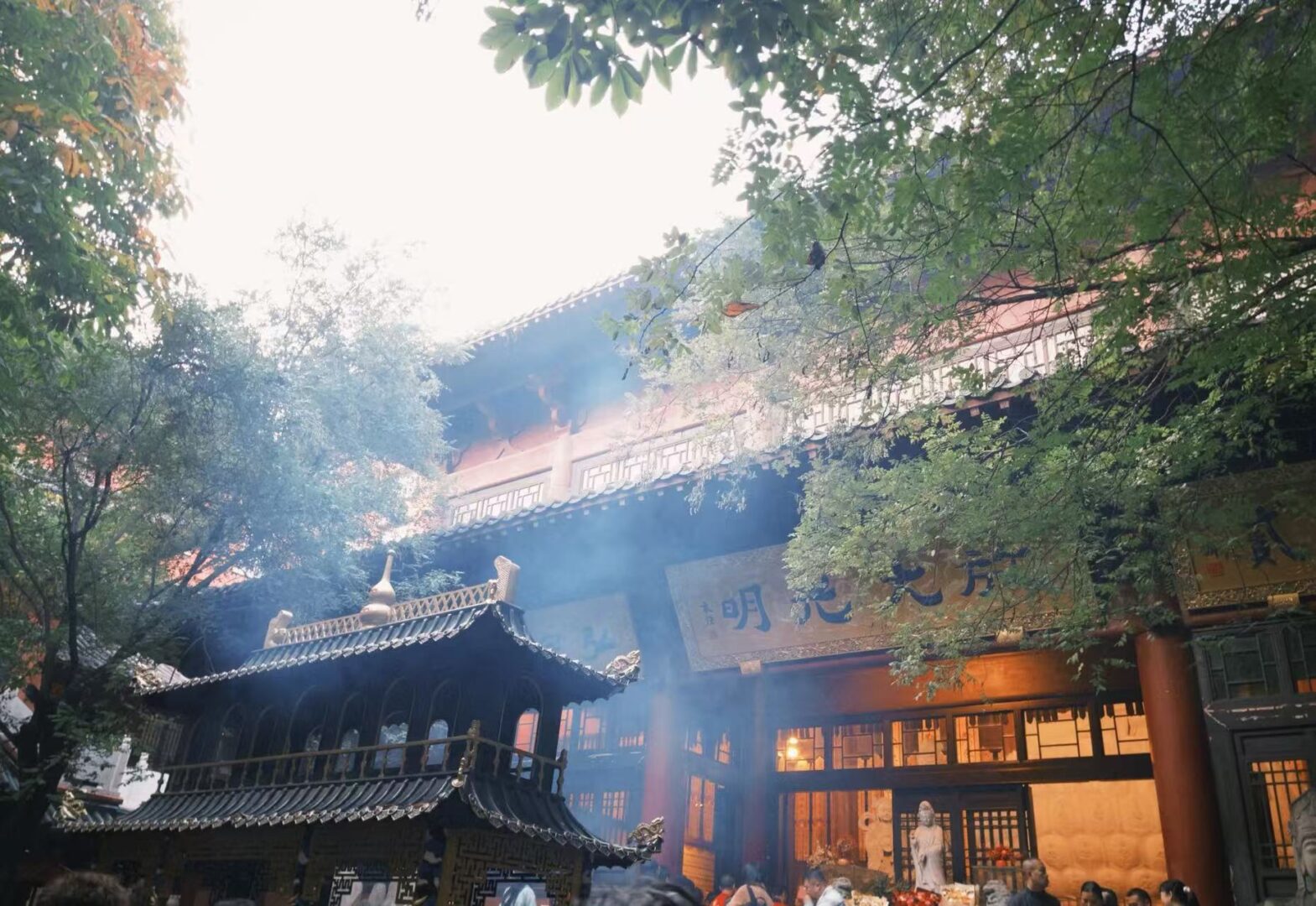
Deep in the quiet halls of a Tibetan Buddhist monastery, the air is thick with the warm glow of yak butter lamps, the soft murmur of ancient mantras, and the gentle scratch of a fine brush against hand-prepared cotton canvas. Here, Buddhist monks sit cross-legged on wooden cushions, their focus unbroken for hours on end, as they bring a sacred thangka to life—one precise, intentional brushstroke at a time.
For centuries, thangka painting has never been just an art form. It is a sacred spiritual practice, a devotional act, and a way for monks to share the wisdom, protection, and blessings of Tibetan Buddhism with the world. Every line, every color, and every detail in a monk-painted thangka carries deep meaning, infused with the energy of mantras, meditation, and unwavering devotion.
In this guide, we take you behind the closed doors of the monastery, to explore the sacred ritual of how Tibetan monks paint thangkas, and why these hand-painted pieces hold such profound, transformative power for anyone who welcomes them into their space.
Thangka Painting: Not Just Art, But A Spiritual Practice
To understand the power of a monk-painted thangka, you must first let go of the idea that it is simply a “painting” or “home decor.” In Tibetan Buddhism, a thangka is a sacred vessel of spiritual energy, a visual representation of the divine, and a tool for meditation, protection, and spiritual growth.
For the monks who paint them, creating a thangka is not a job—it is a core part of their spiritual journey and monastic training. Every step of the process, from preparing the canvas to mixing the final paint, is done with mindfulness, prayer, and strict adherence to traditions that have been passed down for over 1,300 years.
Monks who paint thangkas undergo years of rigorous training, not just in artistic technique, but in Buddhist philosophy, scripture, and meditation. They must memorize the exact proportions, symbols, and details of each deity and sacred scene, as laid out in ancient Buddhist texts. There is no room for random creativity or personal flair—every element of the thangka follows sacred guidelines, to ensure it accurately carries the divine energy it is meant to hold.
Most importantly, every single brushstroke is accompanied by the recitation of mantras. As the monk paints, he chants prayers for the blessing, protection, and spiritual awakening of anyone who will one day view or own the thangka. This is what makes a monk-painted thangka so unique: it is not just a picture, but a physical record of months of meditation, prayer, and devotional practice.
The Sacred Rituals That Begin Before The First Brushstroke
A monk’s work on a thangka begins long before he ever touches a brush to canvas. Every step of the preparation process is a ritual in itself, designed to purify the space, the materials, and the monk’s own energy, to ensure the thangka is created in a state of complete sacredness.
1. Purification & Intention Setting
Before any work begins, the monk will participate in a formal purification ceremony. He will take vows to maintain a pure mind and heart throughout the creation process, abstaining from negative thoughts, words, and actions. Many monks will also fast or complete additional meditation practices to clear their energy and align with the divine energy of the deity they will be painting.
2. Preparing the Canvas
Unlike mass-produced printed thangkas, a monk-painted thangka is always created on hand-woven cotton canvas, prepared entirely by hand. The monk will stretch the canvas tightly onto a wooden frame, then coat it multiple times with a mixture of natural glue and slaked lime, sanding it between each layer until the surface is perfectly smooth, even, and ready to hold paint. This process alone can take weeks, and every step is done with mindfulness and prayer.
3. Mixing the Sacred Paints
Authentic monk-painted thangkas use only natural, mineral-based pigments, sourced from the earth and mixed by hand. Each color comes from a specific natural source: deep blues from lapis lazuli, rich reds from cinnabar, bright gold from pure 24k gold leaf, and warm yellows from saffron. These natural pigments are not chosen just for their beauty—each color carries its own spiritual meaning and vibrational energy.
The monk will mix each pigment with a natural binder, all while reciting mantras to infuse the paint with blessing and positive energy. This ensures that every color applied to the canvas carries sacred intention from the very start.
How Monks Paint A Thangka: A Practice of Mindfulness & Devotion
Once the canvas and paints are prepared, the months-long process of painting the thangka begins. For the monk, every moment spent painting is a moment spent in meditation.
Step 1: The Sacred Grid
The first step is to draw a precise, mathematically perfect grid on the canvas, following the strict proportions laid out in ancient Buddhist texts. This grid dictates the exact size, placement, and proportions of every element in the thangka, from the height of the deity’s body to the position of their eyes, hands, and sacred symbols. This is not a creative choice—it is a sacred rule, designed to ensure the thangka accurately reflects the divine form it represents, and can serve as a proper tool for meditation.
Step 2: The Outline & Base Layers
Next, the monk will sketch the outline of the deity and the scene with a fine charcoal pencil, then trace it with a thin black ink line. He will then apply the base layers of paint, starting with the background and working forward to the central figure. Each layer of paint is applied with extreme care, and the monk will often wait days for each layer to dry completely before moving on to the next.
Step 3: The Fine Details & Mantra Infusion
This is the most sacred part of the process. The monk will spend weeks, even months, adding the fine details to the thangka: the delicate features of the deity’s face, the intricate patterns of their robes, the sacred symbols they hold, and the elaborate details of the surrounding scene.
Every single brushstroke is done with complete focus, and accompanied by the recitation of mantras. For example, if the monk is painting a Green Tara thangka (the deity of compassion and protection), he will chant the Tara Mantra with every stroke, infusing the thangka with her compassionate, protective energy. This is the heart of the practice: the monk is not just painting a picture of the deity—he is calling the divine energy of the deity into the thangka itself, through his prayer and devotion.
Step 4: The Final Gold Details
The final step is to apply the 24k gold leaf or gold paint details, which adorn the deity’s jewelry, robes, and sacred symbols. In Tibetan Buddhism, gold represents the sun, the light of enlightenment, and the unchanging nature of the divine. Applying the gold is seen as the final act of honoring the deity, and infusing the thangka with the highest, most pure vibrational energy.
The Final Blessing: When A Thangka Becomes A Vessel Of Sacred Energy
When the final brushstroke is complete, the thangka is still not finished. Before it can leave the monastery, it must undergo a formal consecration and blessing ceremony, led by the monastery’s head lama or Rinpoche.
During this ceremony, the monks will gather around the thangka, chanting mantras and performing sacred rituals to formally invoke the energy of the deity into the artwork. They will also write sacred mantras on the back of the thangka, directly behind the heart, forehead, and throat of the central deity, sealing the blessing into the piece.
This consecration ceremony is what transforms the thangka from a beautiful painting into a living, sacred vessel of spiritual energy. It is this final blessing that ensures the thangka will bring protection, peace, and spiritual growth to whoever welcomes it into their home.
Why A Monk-Painted Thangka Holds Such Powerful Energy
In today’s world, you can find many mass-produced, printed thangkas online, sold at low prices. But these printed pieces do not hold the same energy as a hand-painted thangka created by a Tibetan monk in a monastery.
A monk-painted thangka is infused with thousands of mantras, months of meditation, and centuries of sacred tradition. Every part of its creation is done with pure intention, to bring blessing and spiritual support to its future owner. It is not just a piece of decor—it is a spiritual companion, a tool for meditation, and a constant source of protective, uplifting energy in your space.
When you hang a monk-painted thangka in your home, you are not just hanging a piece of art. You are welcoming the blessings of the Tibetan Buddhist tradition, the devotion of the monk who painted it, and the divine energy of the deity it represents into your daily life.
চূড়ান্ত ভাবনা
The process of a monk painting a thangka is a beautiful reminder that true sacred art is not about perfection of technique—it is about perfection of intention. Every brushstroke is a prayer, every detail is an act of devotion, and every finished thangka is a gift of blessing, meant to travel from the quiet halls of a monastery to your home, to support you on your own spiritual journey.
All of our thangkas are hand-painted by practicing Tibetan Buddhist monks in traditional monasteries, following every sacred step of the ancient tradition. Each piece is fully consecrated and blessed in a formal monastery ceremony, and undergoes an additional blessing ritual before we ship it to you, to ensure it arrives carrying the purest, most uplifting energy possible.
Ready to welcome a sacred, monk-painted thangka into your home? Explore our full collection of hand-painted, blessed thangkas here.
আমাদের ক্রিস্টাল ও থাংকা সংগ্রহ অন্বেষণ করুন

 English (New Zealand)
  English (United States)
  English (UK)
  Bengali
  Bashkir
  Estonian
  Chinese
Where dose this Thangka come from?
These Thangkas are handcrafted by master painters from Xizang,China,and each has received a sacred blessing from the master