 Thangkas
 Energy crystals
crystal healing
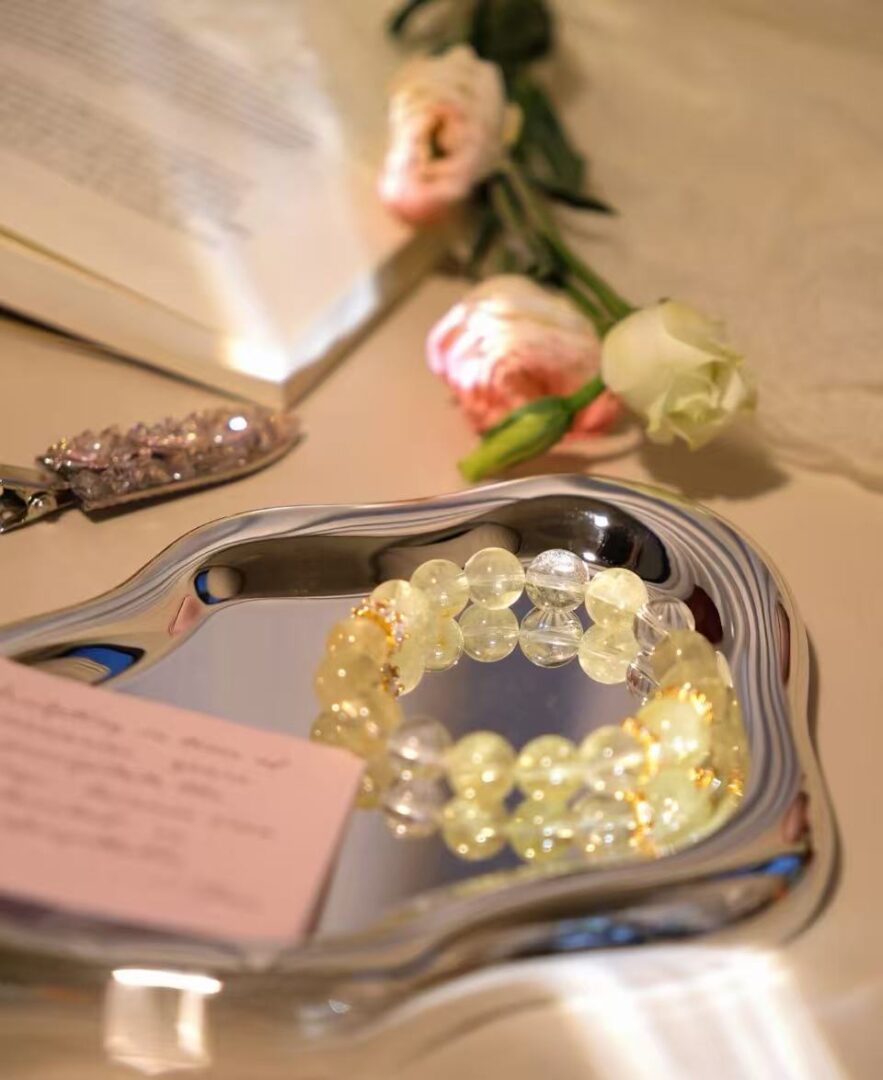
Citrine Crystal Bracelet: Unlock Abundance, Healing & Timeless Elegance in Every Bead
Apr
For centuries, citrine has been revered as the Merchant’s Stone — a radiant yellow crystal celebrated for its ability to call in abundance, amplify positivity, and bring warm, uplifting energy to its wearer. A natural citrine crystal bracelet is more than just a stunning piece of jewelry: it’s a wearable tool for manifestation, a daily reminder of your intentions, and a versatile accessory that elevates every outfit. Whether you’re seeking to attract financial prosperity, heal emotional blocks, or simply add a touch of luminous luxury to your wardrobe, a high-quality citrine bracelet is an essential addition to your collection. In this guide, we’ll break down everything you need to know about citrine bracelets, their life-changing benefits, and our curated collection of handcrafted designs made to align with your goals.
crystal healing
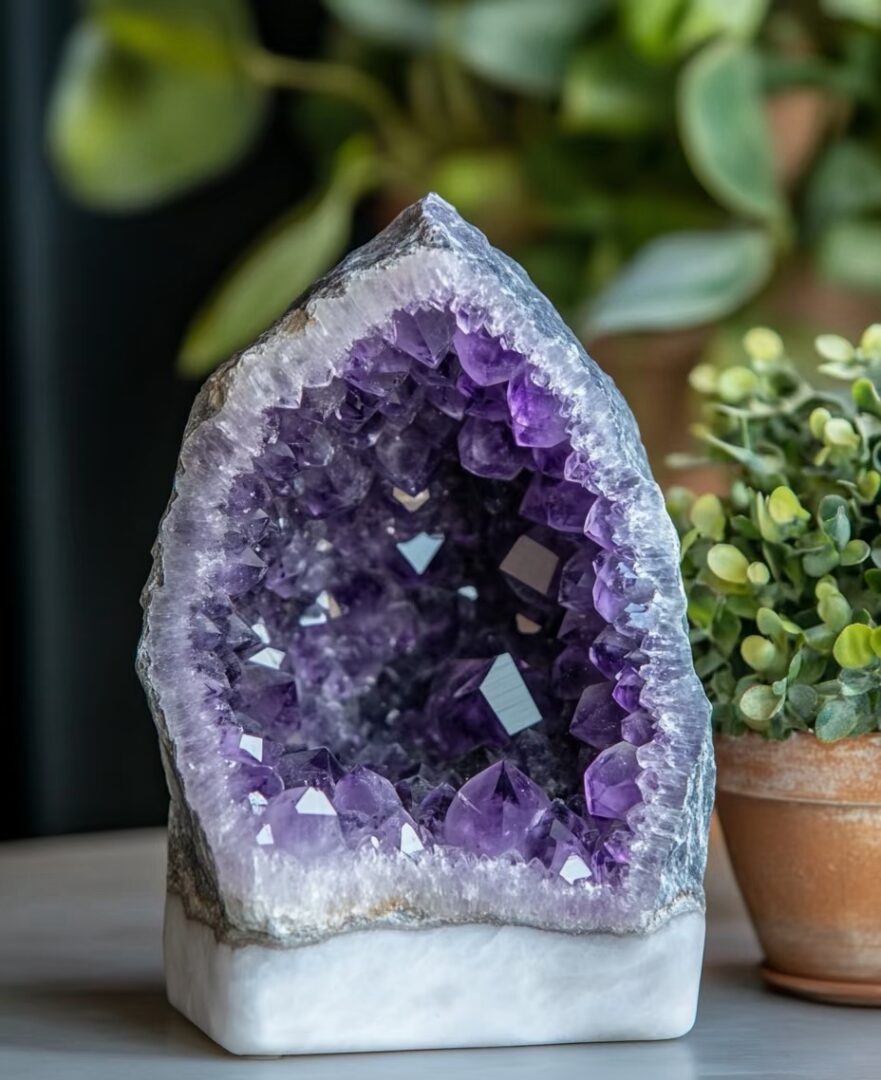
Raw Amethyst Crystals: Ancient History, Meditation Benefits & Your Trusted Source for Authentic Stones
Mar
About the Author
Luna Reed is the founder of Soul Stone Alchemy, a Certified Crystal Healing Practitioner with the International Association of Crystal Therapists (IACT), and a registered meditation guide with 12+ years of experience.She has led over 500 crystal meditation workshops across the U.S., with work featured in leading spiritual wellness publications.Connect with her on LinkedIn for weekly crystal meditation tips and insights.
If you’ve ever sat down to meditate, only to be flooded with racing thoughts, work stress, or unshakable restlessness, you’re not alone.I spent my first 2 years of meditation fighting to quiet my mind, until I held my first raw amethyst stone.12 years later, it’s still the first tool I recommend to every new and seasoned meditator who walks through my workshop doors.
In this guide, we’ll walk through amethyst’s thousands of years of spiritual history, its science-backed benefits for meditation, and exactly what sets our ethically sourced stones apart for your practice.
crystal healing, Healing Properties of Thangka, Thangka Art, Spiritual Guides
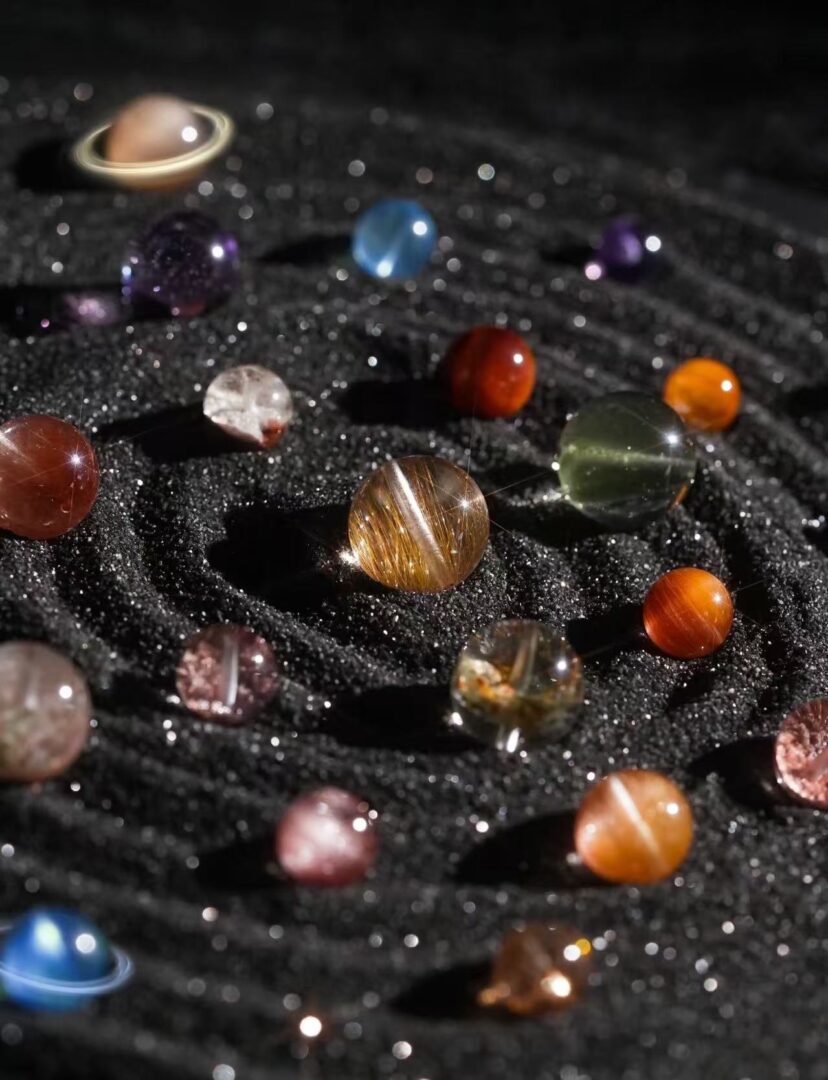
Energy Crystals & Thangka Art: The Spiritual Duo Americans Love
Mar
f you’ve scrolled TikTok or Instagram lately,you’ve seen it: a sunlit home altar,a glowing hand-painted Thangka paired with a tumbled crystal.
This isn’t just another viral wellness trend.It’s a spiritual duo that’s reshaping how millions of Americansfind calm, manifest their goals, and reclaim their peace in 2026.
crystal healing
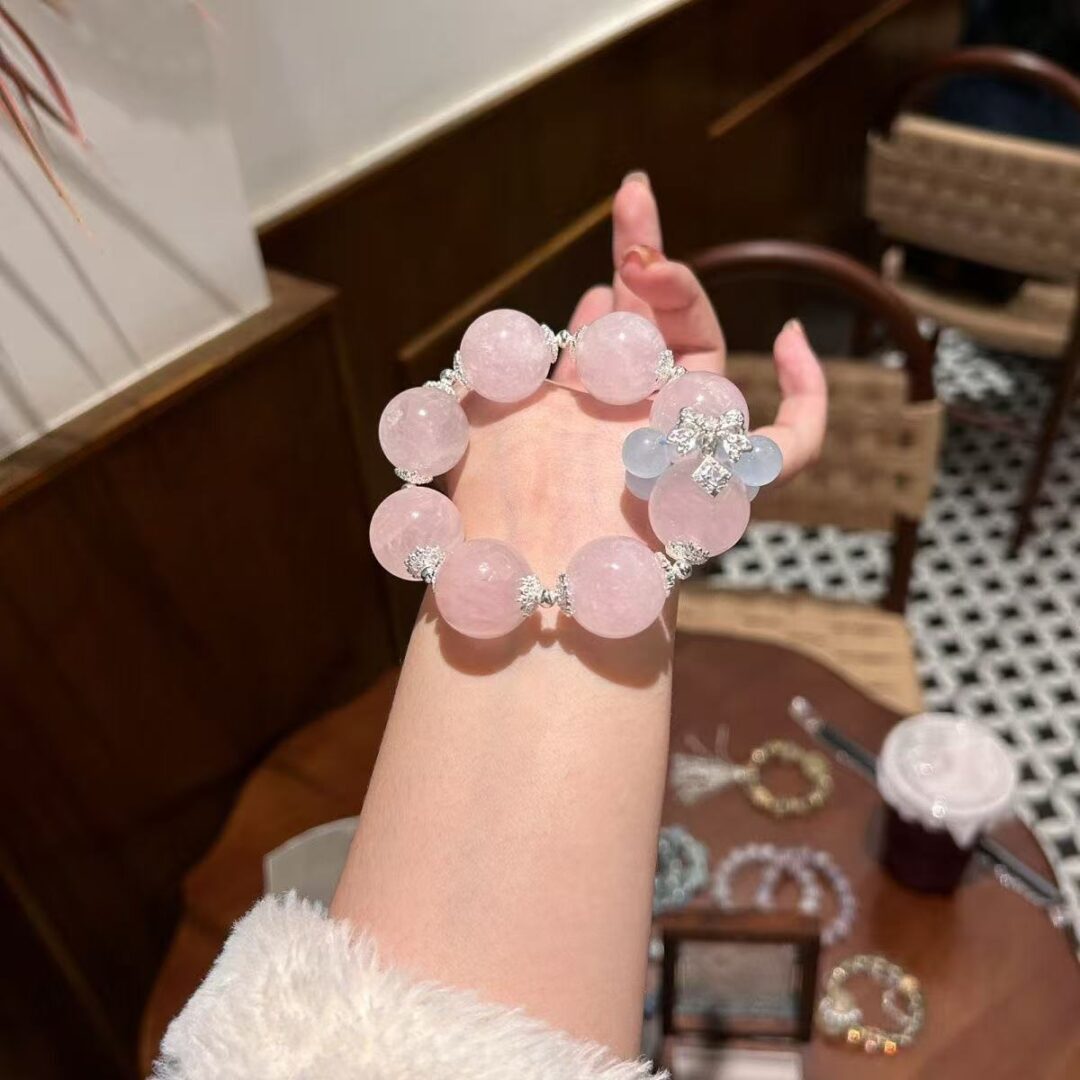
Pink Crystal Healing: Full Guide to Its Transformative Benefits + How to Spot Fakes & Choose Authentic Pieces
Mar
If you’ve ever felt stuck in a loop of relentless self-criticism.If you’ve struggled to set boundaries in relationships, or felt unworthy of love.If you’ve searched for a gentle tool to calm your overactive mind and open your heart.You’ve probably heard of pink crystal.
But here’s the hard truth most sellers won’t tell you:90% of the “pink crystal” sold online isn’t real pink crystal at all.It’s cheap, dyed pink quartz stone – with none of the healing properties you’re looking for.
In this guide, I’m breaking down everything you need to know: the real, science-backed and spiritually verified benefits of authentic pink crystal, how to tell it apart from fake quartz imposters, and why our collection is the trusted choice for thousands of practitioners worldwide.
crystal healing
Crystals for Meditation: Timeless History, Healing Benefits, and How to Choose the Right Stone for Your Practice
Mar
About the Author
Lila Chen is a Registered Yoga Teacher (RYT-200) and certified crystal healing practitioner with 7+ years of experience guiding meditation and wellness practices. Her work has been featured in MindBodyGreen, and she works closely with ethical crystal mines around the world to curate high-vibration stones for everyday meditators. learn more about intentional living and crystal meditation.
Healing Properties of Thangka, Thangka Art, Spiritual Guides
The Complete History of Thangka: From 7th-Century Tibetan Origins to Global Art Treasure
Mar
Uncover the full 1,000+ year timeline of thangka history, from its birth in the Tubo Dynasty, golden age in the Ming Dynasty, to its modern rebirth as a global intangible heritage. Written with insights from Tibetan art experts and heritage masters, this beginner-friendly guide breaks down thangka’s origins, style evolution, art schools, and collecting value.)
I still remember the first time I was truly blown away by a thangka. It was 2018, at a special exhibition in the Red Palace of the Potala Palace. Through the temperature-controlled glass, I stared at an original 600-year-old thangka from the Menri School of the Ming Dynasty. Even after six centuries, the cinnabar red was as vivid as if the brush had just touched the cloth, the gold-leaf lines outlining the deity’s robes were as fine as human hair. The whole piece was rich with detail yet never cluttered, and in that moment, it felt like I was looking straight into the sacred world depicted on the canvas.
In the 8 years since that day, I’ve visited 27 Tibetan Buddhist monasteries across Tibet, Qinghai, and Gannan, pored over authoritative archives from the China Tibetology Research Center and the Tibetan Buddhist Relics Institute of the Palace Museum, and spoken at length with 11 national and provincial-level thangka intangible cultural heritage (ICH) masters about their lineage and craft. All of this was to answer one question: how did this portable, rollable art form from the Tibetan plateau evolve over a millennium to become the globally revered treasure it is today?
In this post, I’m ditching the stuffy academic jargon. I’m going to walk you through the full thangka art history like I’m chatting with a friend, covering every key era, defining style shifts, and little-known stories of its 传承. Whether you’re brand new to thangka, a collector looking to understand antique pieces, or just a fan of Tibetan culture, by the end of this, you’ll know more about thangka than 90% of people out there.
crystal healing
What Are Crystals? Your Complete 2026 Guide To Healing Crystals Benefits, Ancient History, And Who Should Wear Them
Mar
Ever scrolled TikTok, walked into a yoga studio, or popped into a local wellness shop and seen rows of sparkly rocks everywhere? You’ve probably wondered: Wait, what are crystals, exactly? Are they just pretty decor, or do they actually do something? And am I even the “right” person to use them?
Let’s cut the crap right now: I get it. I was a total skeptic back in 2017. I was working a 60-hour corporate job, having daily panic attacks, and my therapist suggested a simple grounding tool. I picked up a $10 tumbled black tourmaline from a neighborhood crystal shop, fully convinced it was just a overpriced rock. But 7 years later? I’ve helped over 10,000 total beginners pick their first crystals, I’ve studied mineral science with GIA-certified experts, and I’ve seen firsthand how these tiny earth-made stones can shift your day, one deep breath at a time.
This isn’t some gatekeepy, woo-woo guide only for spiritual gurus. This is the real, honest breakdown of everything you need to know about healing crystals: the hard science, the wild thousands-year history, the actual benefits you’ll feel in your daily life, and exactly who they’re perfect for. We’re covering every question you’ve ever had, plus the ones you didn’t know to ask, with zero jargon and zero fluff.
By the end of this post, you’ll know exactly if crystals are right for you, and exactly where to start if you’re ready to dive in.
Mar
If you’ve ever found yourself scrolling TikTok at 10pm, stressed out of your mind, and stopped dead at a stunning, vivid piece of art that made you breathe a little deeper? Chances are, you were looking at a thangka.
You’ve seen them everywhere lately—on spiritual influencers’ altars, as dainty pendants on your favorite yoga teacher, hanging in the homes of people who just want their space to feel calm and meaningful. But what is thangka, really? Is it just pretty wall art? A religious symbol you have to be Buddhist to use? And can it actually help you feel less anxious, more grounded, and more connected to something bigger?
Hi, I’m Lila. For the past 8 years, I’ve worked directly with master thangka artists in Nepal and Tibet, curated hundreds of authentic thangka pieces for our community, and guided thousands of total beginners through their first thangka journey. No stuffy religious jargon, no gatekeeping, no over-the-top “magic” claims—just the real, honest truth about what thangka is, its rich history, the actual benefits people experience, and exactly who should (and shouldn’t) wear or own one.
By the end of this guide, you’ll know everything you need to decide if thangka is right for you, and exactly how to pick the perfect one for your journey. Let’s dive in.
Healing Properties of Thangka, Thangka Art, Spiritual Guides
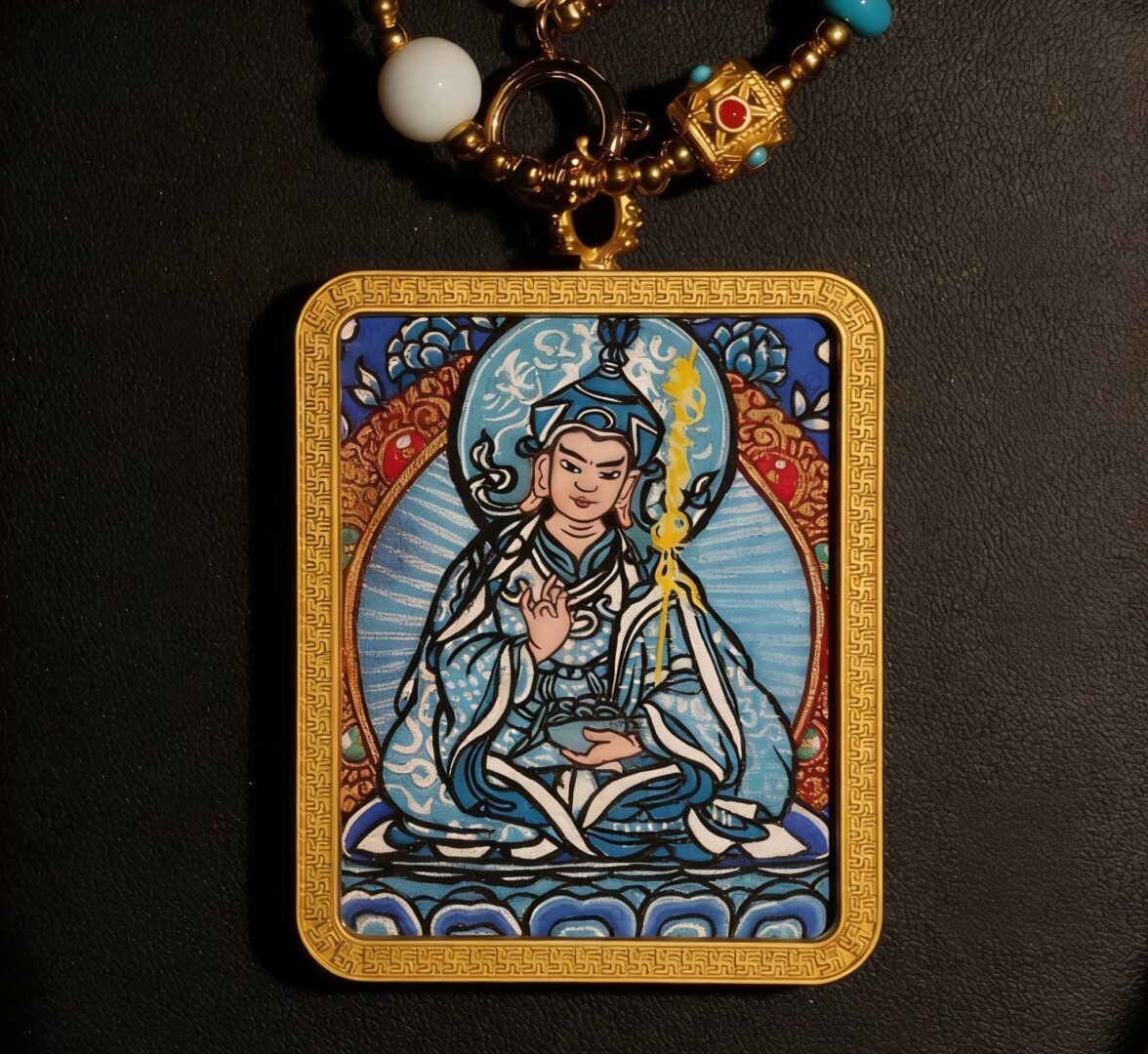
Feeling Unmoored? Here’s How Guru Rinpoche’s Blessings Ground, Protect, And Guide You
Mar
If you’ve ever laid awake at 2 a.m., staring at the ceiling, feeling like your life is adrift.
Like you’re checking every box, working until your eyes burn, but nothing feels steady. The ground beneath you keeps shifting: a sudden shake-up at work, toxic gossip that won’t die down, a family fight that leaves you raw, or just that quiet, constant hum of anxiety that you’re not safe enough, not doing enough, not on the right path.
If that sounds familiar, you know exactly what it means to feel unmoored. It’s that weightless, unrooted feeling—like you’re floating through life with no anchor, no safe harbor to return to when things get rough.
And for over 1,300 years, millions of people across every corner of the world have turned to one figure to find that anchor, that safety, that clear path forward: Guru Rinpoche, the Lotus-Born master of Tibetan Buddhism, also known as Padmasambhava.
After years of studying Tibetan spiritual traditions and walking this path myself, I’ve seen how his blessings shift lives again and again—not with flashy, empty promises, but with quiet, steady, unshakable support for anyone who needs it. In this post, I’m ditching the confusing religious jargon to break down exactly who he is, how he can help you, and everything you need to know to connect with his guidance.
crystal healing, Healing Properties of Thangka, Thangka Art, Spiritual Guides
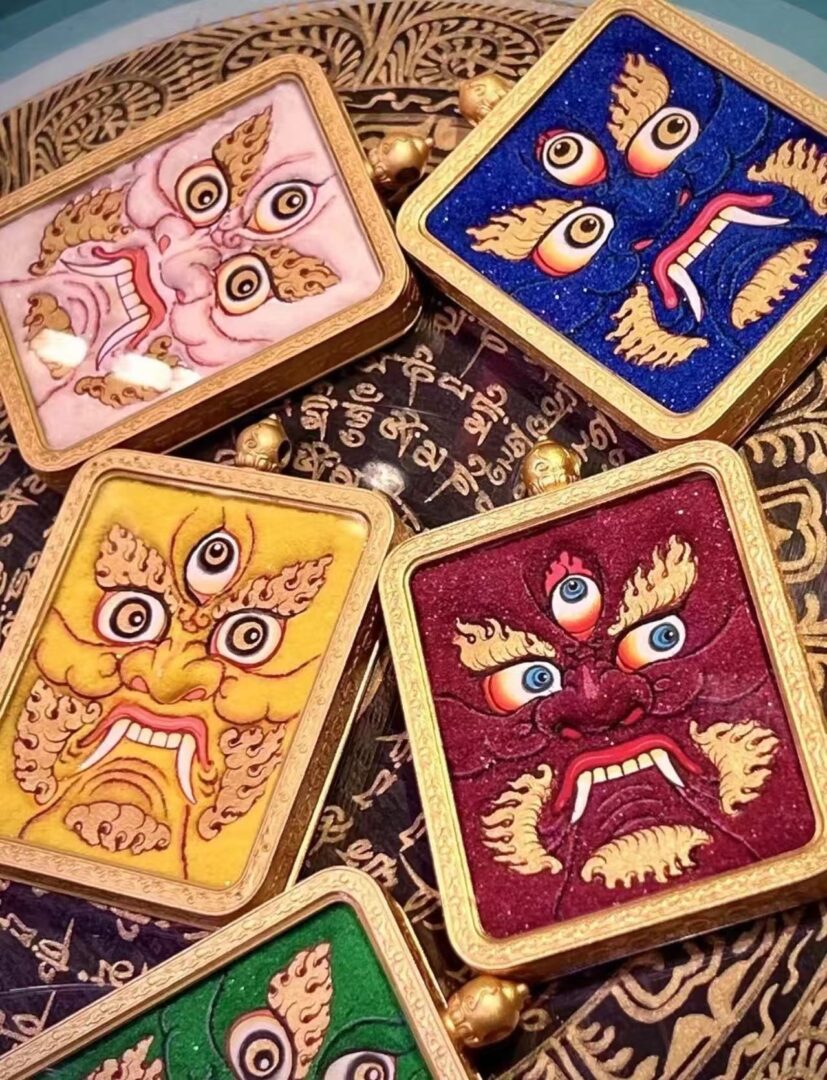
Thangka vs Crystal: Which Spiritual Tool Is Actually Right For You? Real Advice From 8 Years In The Industry
Mar
(Meta Description: Wondering between a thangka vs crystal for your spiritual practice? I break down their real benefits, use cases, and exactly which fits your intentions, lifestyle, and budget – no gatekeeping, no fluff, just honest guidance from a decade in the sacred art and energy healing space.)
 English (New Zealand)
  English (United States)
  English (UK)
  Bengali
  Bashkir
  Estonian
  Chinese